One year later: Did expert AI predictions deliver?
December 2, 2025

Did any of the predictions made at the 2024 Danaher Summit come true?
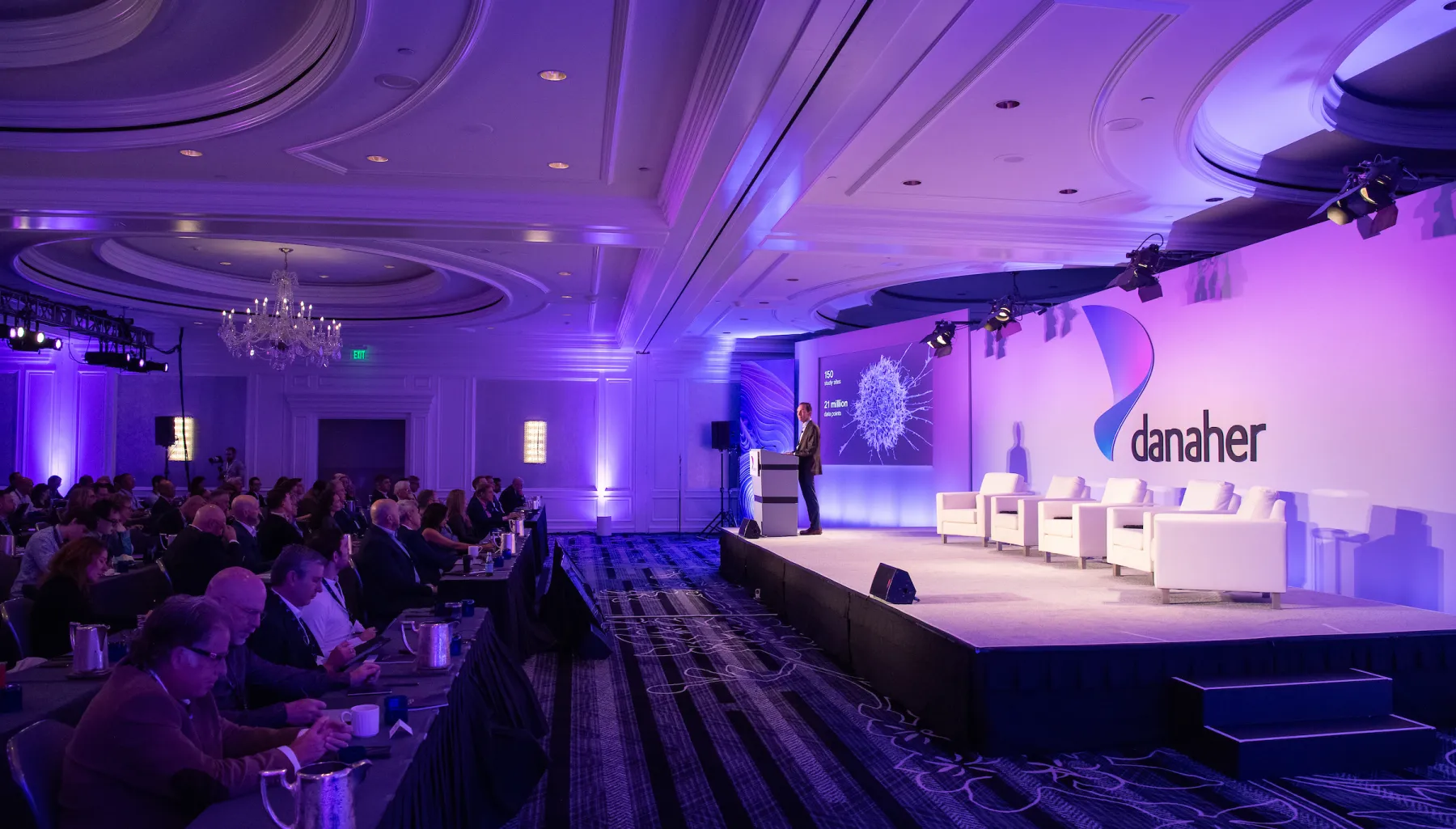
Last year’s Danaher Summit explored the power and potential of AI in life sciences and healthcare, bringing together leading thinkers across biopharma, technology, and research. Centered on the theme “AI-Driven Predictive R&D: From Promise to Practice,” experts debated what was realistic hope versus hype. Now, one year later, we revisit those predictions to see which came true—and what’s still ahead as we look toward 2026.
Our job is to reduce complexity, reduce cycle times and improve yields -- whether those yields are in the drug development pipeline, diagnostics that improve therapeutic response rates, or of course manufacturing yields in drug production. Think about the opportunities that lie ahead to improve those. Clearly artificial intelligence will be key to even more acceleration and improvement of those yields, and the more we enable in silico, the quicker we’ll get to the best possible answer.
Rainer Blair, President and Chief Executive Officer, Danaher