Danaher Event
2026 Danaher Summit: Bioprocessing
06.02.26 - 06.03.26
United Kingdom

06.02.26 - 06.03.26
United Kingdom

The theme of Danaher’s fourth Summit was The Next Era of Bioprocessing: From Promise to Patient Impact.
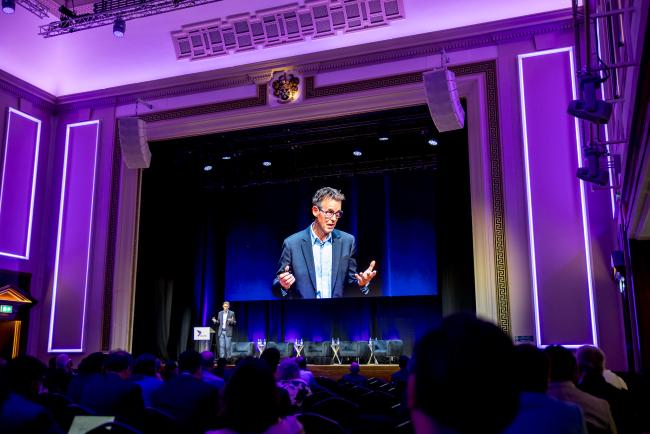
Will Somers, Former Vice President of Global Biotherapeutic Technologies, Pfizer
Five decades of hemophilia treatment evolution from a scientist who spent his career advancing biotherapeutic technologies and lived the patient experience firsthand. This keynote traces the manufacturing advances that made each step possible and how system limitations directly affect patient outcomes.
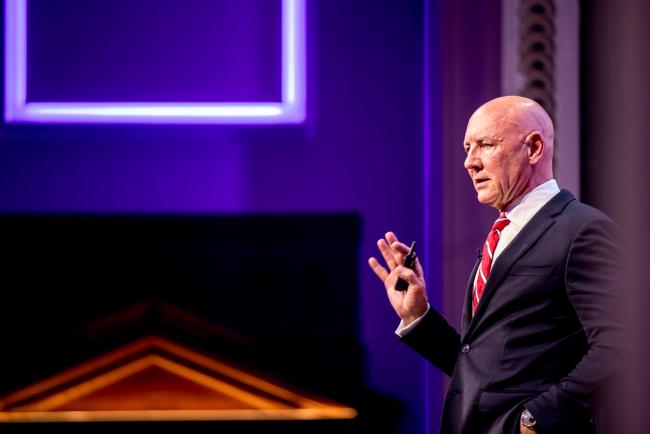
John Cox, Dyne TX
Advances in antibody conjugate science are changing the calculus for nucleic acid therapeutics. As the field moves from small molecule payloads toward oligonucleotides and RNA, the antibody is emerging as the determinant of whether a therapy reaches patients at all.
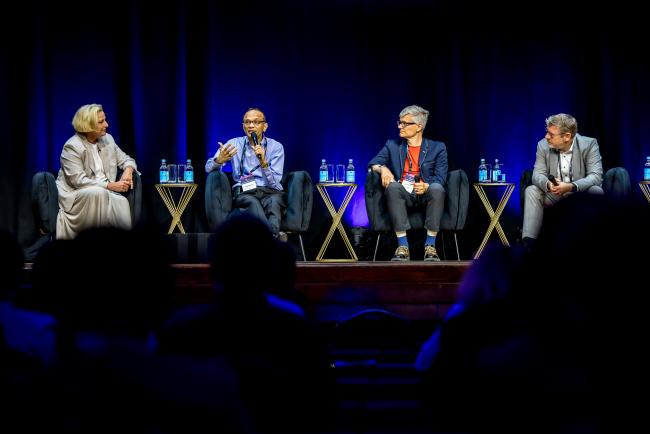
Decades of experience in antibody and protein manufacturing have not produced consistent performance across the industry. Variability in readiness, reliability and outcomes remains common even where technologies such as intensification, automation and PAT are well understood. This discussion explores why adoption has been uneven and what continues to hold progress back.
Moderated by Beate Mueller-Tiemann, Cytiva
Panelists:
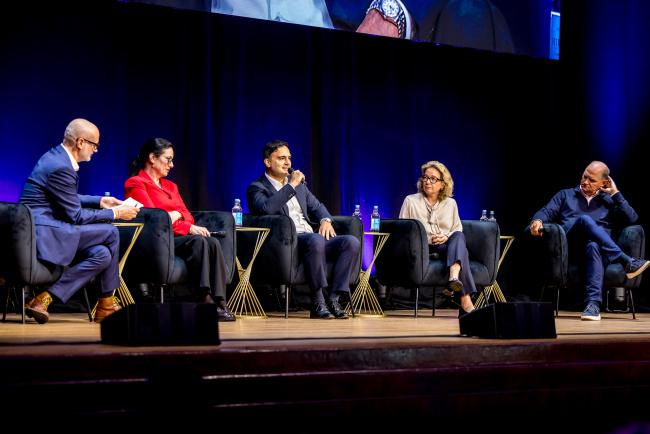
Demand for established biologics continues to grow faster than anticipated, including high-volume antibodies and newer classes such as GLP-1 therapies. This session explores how leaders are expanding manufacturing while balancing flexibility, cost, workforce constraints and regulatory expectations.
Moderated by Connor McKechnie, Cytiva
Panelists:
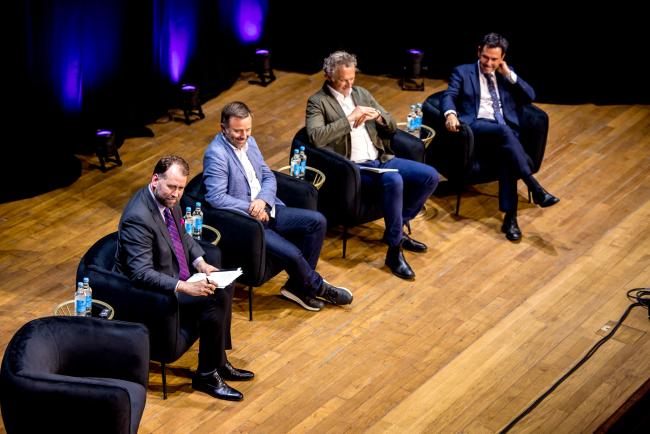
The biopharma industry has long assumed that technology, capital and infrastructure would be sufficient to enable future growth. Increasingly, the limiting factor is talent, specifically, whether the workforce today and of the future will have the skills and capability to operate effectively in an AI-enabled process development and manufacturing environment. This panel examines how government, industry and academia must work together to build the next generation of bioprocessing talent, and where failure to act now represents a material risk to national competitiveness, patient access and the long‑term resilience of biomanufacturing.
Moderated by: Jesse McQuarters, STAT News
Panelists:
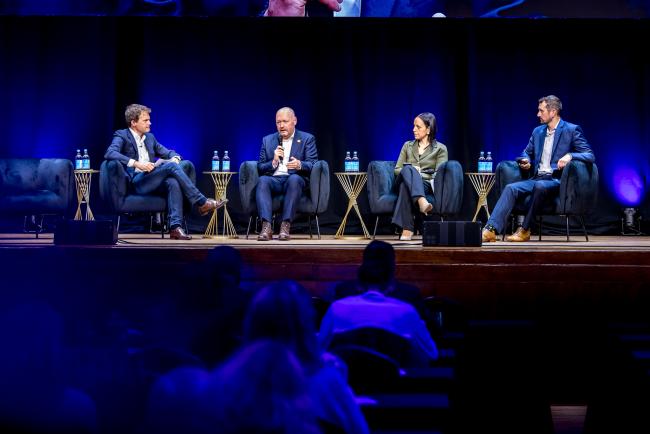
Sustainability is now a defining requirement for biomanufacturing. Environmental impact, resource efficiency and long-term operational resilience increasingly influence how processes are designed, facilities are built and supply chains are structured. This panel examines how leaders are embedding sustainability into core technical and capital decisions.
Moderated by Emmanuel Abate, Cytiva
Panelists:
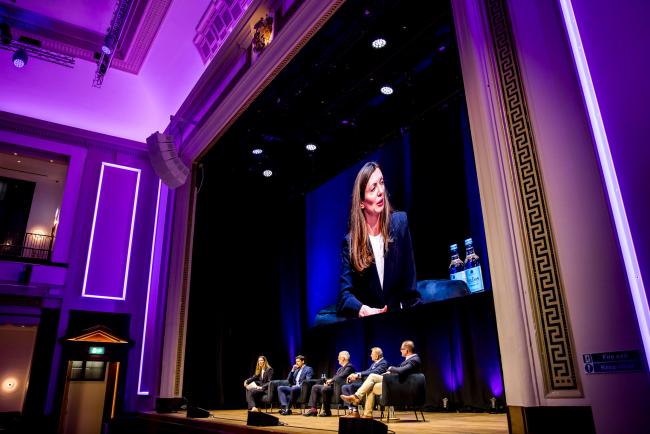
ADCs, bispecifics and engineered proteins challenge the entire development paradigm, not just manufacturing. Without established playbooks, organizations must make high-stakes decisions about process development timelines, regulatory strategies, manufacturing partnerships and scale-up approaches while all patients wait.
Moderated by Demaris Mills, Danaher
Panelists:
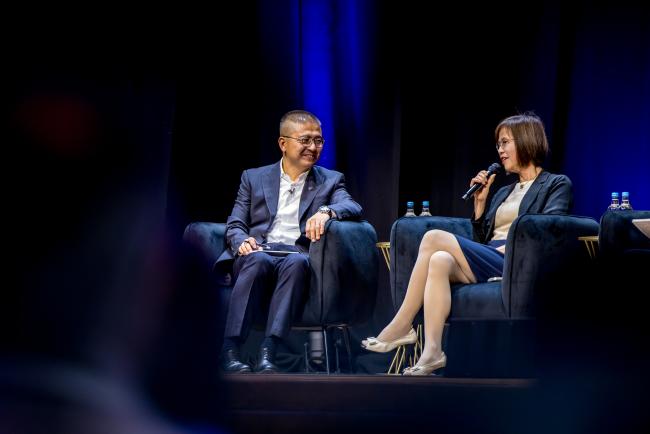
Asian countries, including China, Korea and Singapore, are reshaping global biomanufacturing through rapid capacity expansion, growing technical sophistication and increasingly agile regulatory pathways. This panel explores how regulatory tempo, investment patterns and evolving capabilities intersect to drive strategic decisions around technology transfer, manufacturing partnerships and global supply chain design. Speakers will examine how the global manufacturing map is shifting—and what organizations outside the region consistently misunderstand about how biomanufacturing is evolving.
Moderated by Allen Li, Danaher
Panelists:
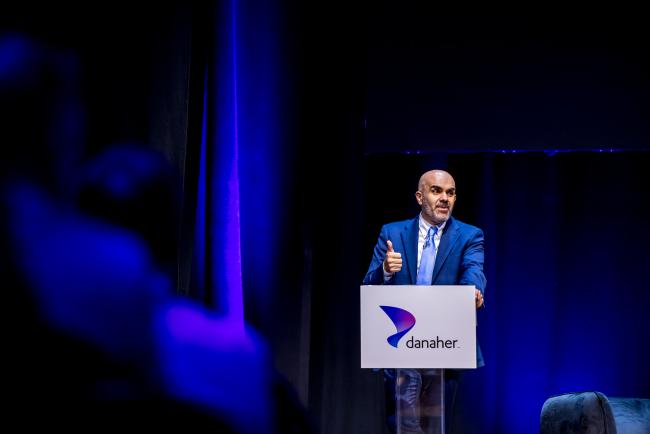
Cell and gene therapies hold the promise of highly individualized treatment, but manufacturing these therapies at scale presents fundamental challenges. Tensions between personalization, standardization, speed and access remain unresolved. This panel examines how leaders are designing manufacturing systems that support broader patient access while preserving product integrity and operational viability.
Moderated by Sadik Kassim, Danaher
Panelists:
The potential of digital and automated bioprocessing is widely accepted, yet consistent execution remains difficult. Many organizations struggle to integrate data, systems and decision-making into daily operations in ways that deliver sustained value. This conversation focuses on what enables digital capabilities to take hold at the operational level and examines system integration, ownership, talent and the practical requirements for making digital bioprocessing work at scale.
Moderated by Sean Muthian, Cytiva
Panelists:
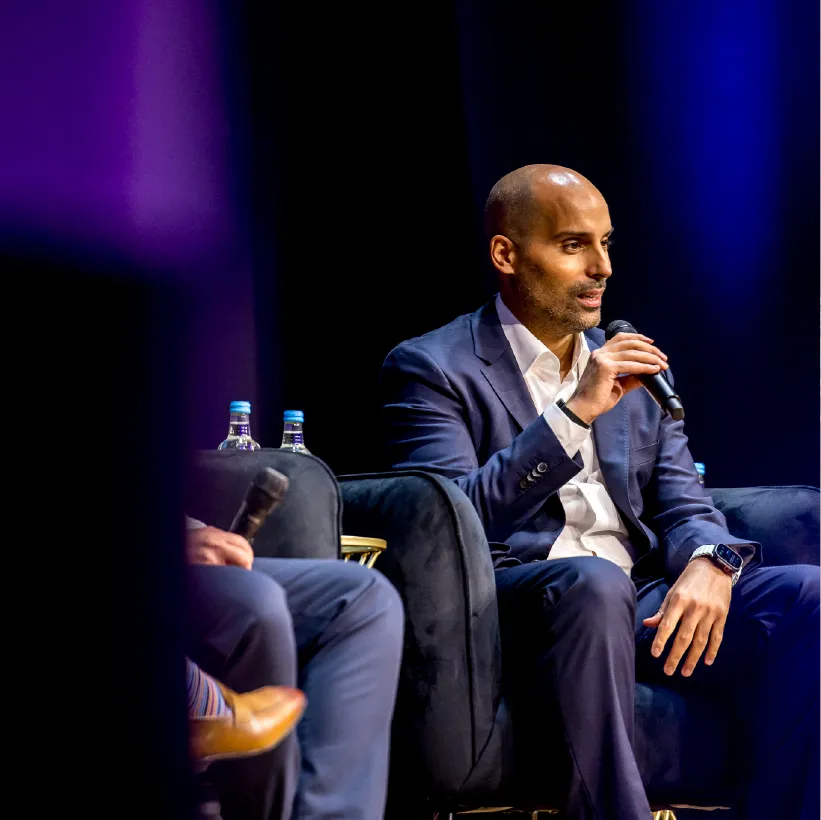
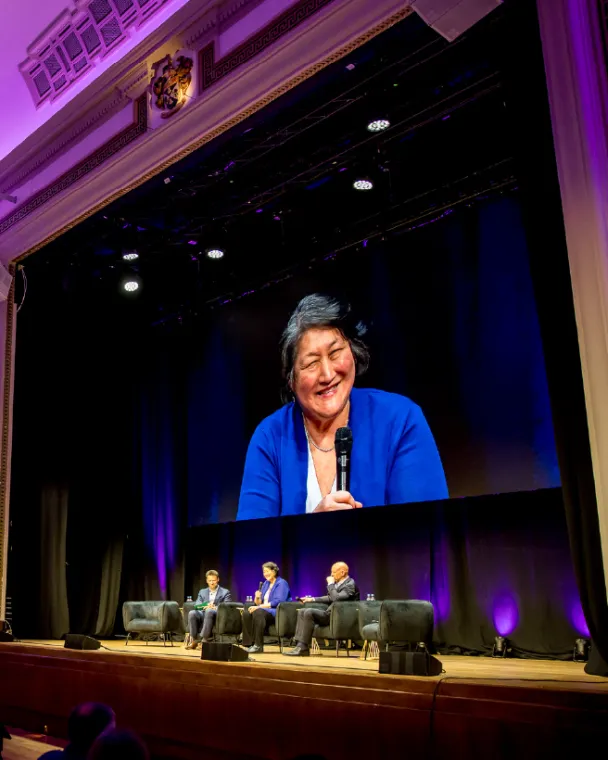
Scientific progress continues to accelerate and expectations across the industry continue to rise. As timelines compress, organizations are increasingly defined by how they make decisions and execute consistently. This fireside chat focuses on the leadership and operating model choices required to translate ambition into results, how leaders clarify decisions, align incentives and establish accountability across teams with different pressures and time horizons.
Moderated by Chris Riley, Cytiva
Panelists:
The future of biomanufacturing will be shaped by how organizations come together to solve problems that exceed the reach of any single company. As scientific and operational complexity increases, progress depends less on transactions and more on partnerships built around shared challenges, aligned incentives and joint accountability.
Moderated by Daria Donati, Cytiva
Alessandro Aiuti, SR TIGET